Retention starts at the first click.
Most trial systems optimize enrollment. PRISM is built to ensure patients finish.
PRISM is a patient-readiness operating system for recruitment, enrollment, and retention—evaluating, ranking, and supporting patients from first contact through completion.
Why retention starts at
the first click.
Most retention strategies are applied after enrollment when disengagement is already underway.
Point of no return
By the time a patient misses a visit, expresses doubt, or disengages mid-trial, the failure has already occurred. Retention cannot be repaired downstream. It must be designed upstream.
PRISM treats retention as an upstream responsibility.
From the first interaction, PRISM evaluates readiness signals, aligns expectations, and surfaces barriers that determine whether a patient can realistically persist through protocol burden, logistics, and time commitment.
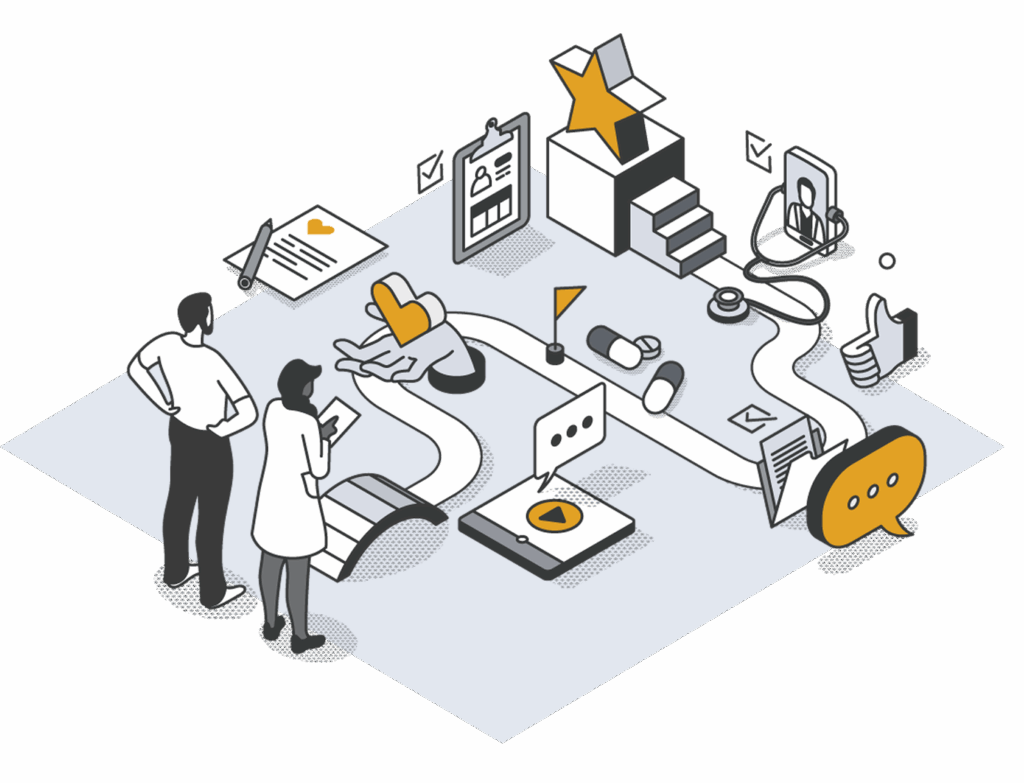

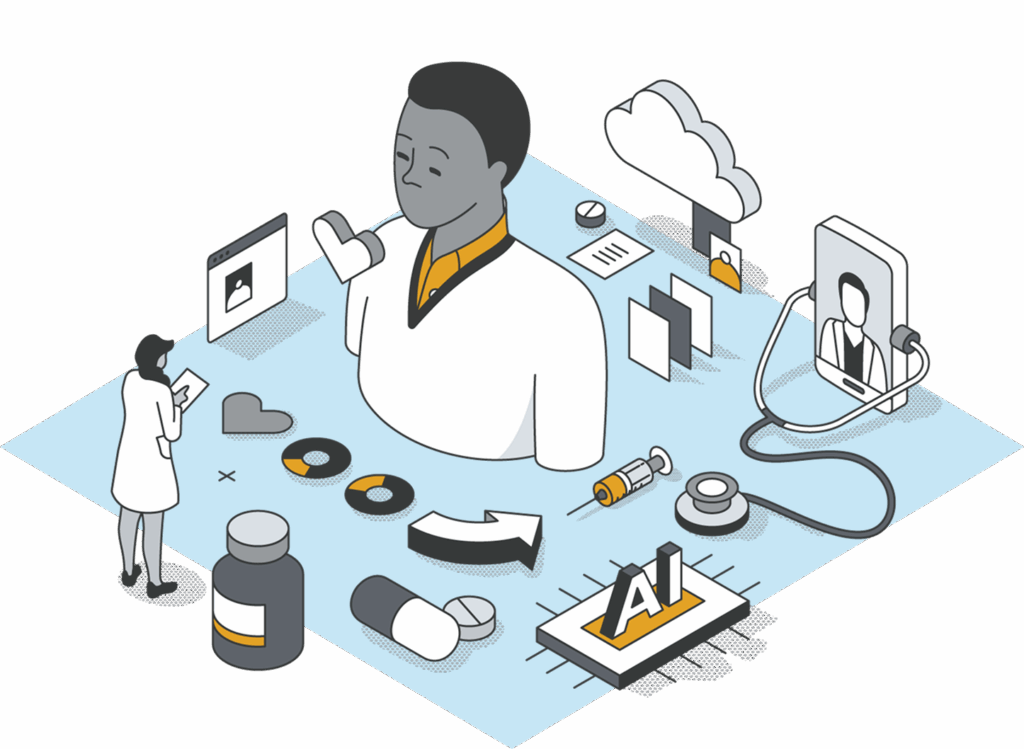
Most retention strategies are applied after enrollment when disengagement is already underway.
Point of no return
By the time a patient misses a visit, expresses doubt, or disengages mid-trial, the failure has already occurred. Retention cannot be repaired downstream. It must be designed upstream.
PRISM treats retention as an upstream responsibility.
From the first interaction, PRISM evaluates readiness signals, aligns expectations, and surfaces barriers that determine whether a patient can realistically persist through protocol burden, logistics, and time commitment.
What PRISM does.
Universal patient evaluation
Evaluates every patient who engages, assessing medical eligibility, contextual feasibility, behavior readiness, and support environment.
Propensity-to-activate ranking
Dynamically ranks patients based on likelihood to activate and sustain participation using longitudinal clinical, behavioral, and contextual signals.
Readiness-guided activation
Applies tailored strategies such as education, expectation alignment, pacing, or support identification to responsible move patients forward.

Readiness Development
Patients not yet ready are supported with targeted interventions rather than being prematurely advanced or excluded.
Readiness-validated Pre-screening
Validates comprehension, expectations, and feasibility before patients advance to sites, reducing late-stage screen failure.
Controlled Advancement
Only patients whose readiness has been sufficiently developed and validated are advanced, stabilizing site execution and enrollment quality.
.jpg?width=961&height=470&name=PRISM_1%20chat%20screen%20(1).jpg)
Continuous Re-ranking
Patient readiness and activation propensity are continuously re-evaluated throughout participation. Readiness = dynamic, not static.
Adaptive Retention Strategies
Applies appropriate strategies based on evolving signals, reinforcing understanding, addressing burden, and activating additional support.
Completion-oriented Management
Actively manages engagement and feasibility over time to reduce dropout and ensure patients complete the trial.

PRISM does not target only 'ready' patients.
How PRISM enables
readiness-based execution.
PRISM is a unified intelligence platform that treats recruitment, enrollment, and retention as one connected system so you can design, measure, and govern them together as a single, coordinated operation.
Data Intelligence
Combines health claims, SDOH, BDOH, EMR/EHR and protocol metadata to generate longitudinal readiness and retention signals.
Conversational AI
Engages patients in adaptive interactions that surface confusion, hesitation, and disengagement risk early.
Generative AI
Translates protocols into patient-relative language and supports readiness-aware pre-screening.
Agentic AI
Coordinates pacing, follow-up, and site handoff, advancing patients only when readiness and retention feasibility are established.
Continuous Measurement
Tracks readiness and engagement over time, detecting decay before dropout occurs.
PRISM is a clinical trial
operating system.
Not a funnel system. Funnels chase enrollment, and PRISM designs for completion.
PRISM IS
A recruitment, enrollment, and retention operating system.
A system that evaluates and ranks all patient profiles
A readiness-based execution layer across the trial lifecycle.
An upstream prevention engine for screen failure and dropout.
A platform that stabilizes trials before and after enrollment.
PRISM IS NOT
A digital recruiting platform
A funnel or conversion rate optimization tool
A lead generation or media solution
A retention add-on applied after enrollment
A static or one-time scoring model
Designed for what happens
after enrollment.
First click
Pre-screening
Enrollment
Participation
Retention
Completion
Most trial systems stop caring about the patient once they enroll. PRISM is built for what happens next and why, treating recruitment, enrollment, and retention as a single continuous execution responsibility.
Why this difference
matters.
When trials optimize for funnel conversion instead of readiness:
Enrollment success is misleading
Retention failure is inevitable
Rescue recruitment becomes standard procedure
Timelines and budgets slip
PRISM replaces funnel optimization with execution stability
Outcomes improved by PRISM
Higher-quality enrollment
Stronger retention durability
Higher completion rates
Improved forecast accuracy
Reduced site burden
The PRISM architecture.
PRISM is a full-stack patient readiness & intelligence system designed to recruit, enroll, and retain patients through completion.
Data Layer
Readiness and retention risk signals
Experience Layer
Expectation and commitment alignment
Coordination Layer
Governed advancement and site handoff
Retention Layer
Readiness decay and disengagement detection
Measurement Layer
Live execution stability indicators
Frequently Asked Questions
Questions sponsors ask before committing to a readiness-based operating system.
PRISM replaces funnel-based recruitment and enrollment models that optimize for conversion and stop at enrollment. Those approaches assume participation will take care of itself. PRISM is designed for what happens after enrollment—preventing dropout and ensuring completion through readiness-based execution.
No, PRISM is not a digital recruitment platform., a media tool, or a funnel optimization solution. While it supports recruitment, it governs readiness, enrollment, and retention across the full clinical trial lifecycle.
No. PRISM evaluates all patients who engage with a study. It ranks patients by their propensity to activate and persist, then applies the appropriate readiness strategies to develop participation feasibility over time. Readiness is built, not assumed.
PRISM uses clinical eligibility, behavioral signals, contextual feasibility, and engagement data to rank patients by activation and retention propensity. Advancement is governed by readiness development, not speed or volume.
Because by the time disengagement is visible—through missed visits, hesitation, withdrawal—the failure has already occurred. Retention cannot be repaired downstream. It must be designed upstream by aligning readiness, expectations, and feasibility before enrollment.
PRISM continuously re-evaluates readiness and engagement throughout participation. It detects readiness decay early and applies adaptive retention strategies before disengagement or dropout occurs.
PRISM may intentionally pace advancement for unready patients, but it accelerates execution overall by reducing screen failure, dropout, and rescue recruitment. The result is more stable enrollment curves and faster delivery to completion.
PRISM operates across recruitment, pre-screening, enrollment, participation, retention, and completion. It treats these stages as a single, continuous execution system.
No. PRISM supports sites and CROs by removing preventable readiness and retention burden upstream, allowing them to focus on clinical care and protocol execution.
It means retention is determined by the earliest patient decisions, understanding, and expectations—not by downstream reminders or incentives. PRISM is designed so retention is addressed from the first interaction.
No. PRISM does not rely on static scores or one-time rankings. It continuously evaluates readiness and activation propensity to guide engagement, advancement, and retention strategies over time.
No. PRISM does not exclude patients simply because they are not yet ready. It identifies the education, support, or pacing required to build readiness and advances patients only when participation is feasible and sustainable.
PRISM improves enrollment quality, retention durability, completion rates, forecast accuracy, and site sustainability.
PRISM is a readiness-based operating system that recruits responsibly, enrolls deliberately, and ensures patients finish clinical trials.
Bottom line.
Clinical trials don't fail because to few patients enroll. They fail because too many unready patients are advanced.
PRISM is built to revent that by evaluating all patients, developing readiness, and sustaining participation from the first click through completion.